
Cookies — We only use functional and analytical cookies to ensure that this website functions optimally. For more info check our Privicy Policy.

ELEFANTE BLOG DETAILS
Production Process of Clothing and Peshtemals Made from Natural Fibers Such as Cotton, Linen, and Bamboo:
/ Elefante — Insight: Towels Clearr
Raw Material Selection: The production process begins with the crucial step of choosing the right raw material to obtain a high-quality product. Cotton, known for its softness, linen with its durability and breathability, and bamboo with its rapid growth and natural antimicrobial properties are selected for their specific characteristics.
Weaving Stage: The selected raw material is used in the weaving stage, where cotton fabrics are known for their cool and soft feel, linen stands out with its fine and durable texture, and bamboo contributes to a silky touch, enhancing breathability.
However, comfort is not limited to the home; it's equally important outside. Clothing that is designed with a "stay-at-home style" has become a staple in street fashion. Wide-legged trousers, cropped tops, dresses... you can step outside without changing your outfit.
Dyeing and Pattern Addition: The produced fabrics can be dyed in desired colors or maintain their natural hues. Patterns and weaving techniques are employed to create distinctive designs for clothing and peshtemals.
Cutting and Sewing: Fabrics are cut and sewn according to the design, transforming them into the final form of clothing items or peshtemals.
Washing and Softening: Products undergo special washing and softening processes after production. This ensures that clothing items and peshtemals are softer and ready for use.
Quality Control: Finally, the produced items go through quality control. Factors such as stitches, color fastness, durability, and overall aesthetics are examined.
In conclusion, clothing and peshtemals made from natural fibers such as cotton, linen, and bamboo provide users with a comfortable experience while offering a more environmentally respectful textile option.
ELEFANTE BLOG DETAILS
Why Turkish Cotton is Preferred by Global Brands
/ Elefante — Insight: Turkish Cotton
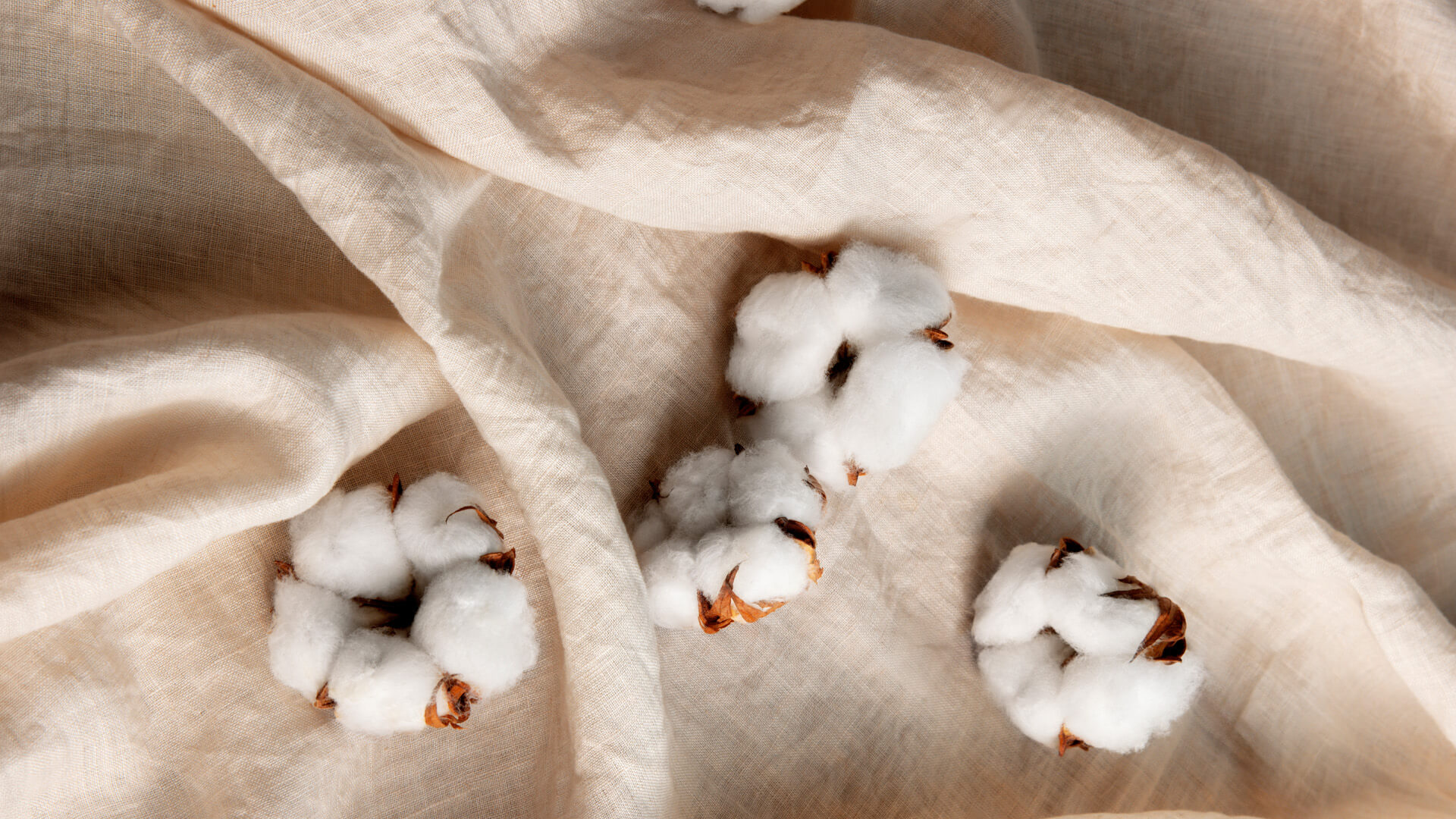
Turkish cotton is widely recognized as one of the finest natural fibers in the textile industry, and it has become a preferred choice for global fashion and home textile brands. Known for its long fibers, Turkish cotton offers exceptional softness, durability, and high absorbency, making it ideal for both apparel and textile products.
One of the key advantages of Turkish cotton is its ability to become even softer with each wash, while maintaining its strength and structure over time. This makes it particularly suitable for products such as muslin garments, beachwear, homewear, and towels, where comfort and longevity are essential.
In addition to its performance, Turkish cotton is also valued for its breathability. It allows air to circulate easily, providing a lightweight and comfortable feel, especially in warm climates. This is why it is commonly used in resort wear, summer collections, and relaxed lifestyle clothing.
We also support our partners with flexible production options, including low MOQ and custom collection development, helping brands create unique and high-quality products with confidence.
ELEFANTE BLOG DETAILS
Trends in Beachwear & Resort Wear for 2026
/ Elefante — Insight: Beachwear Trends
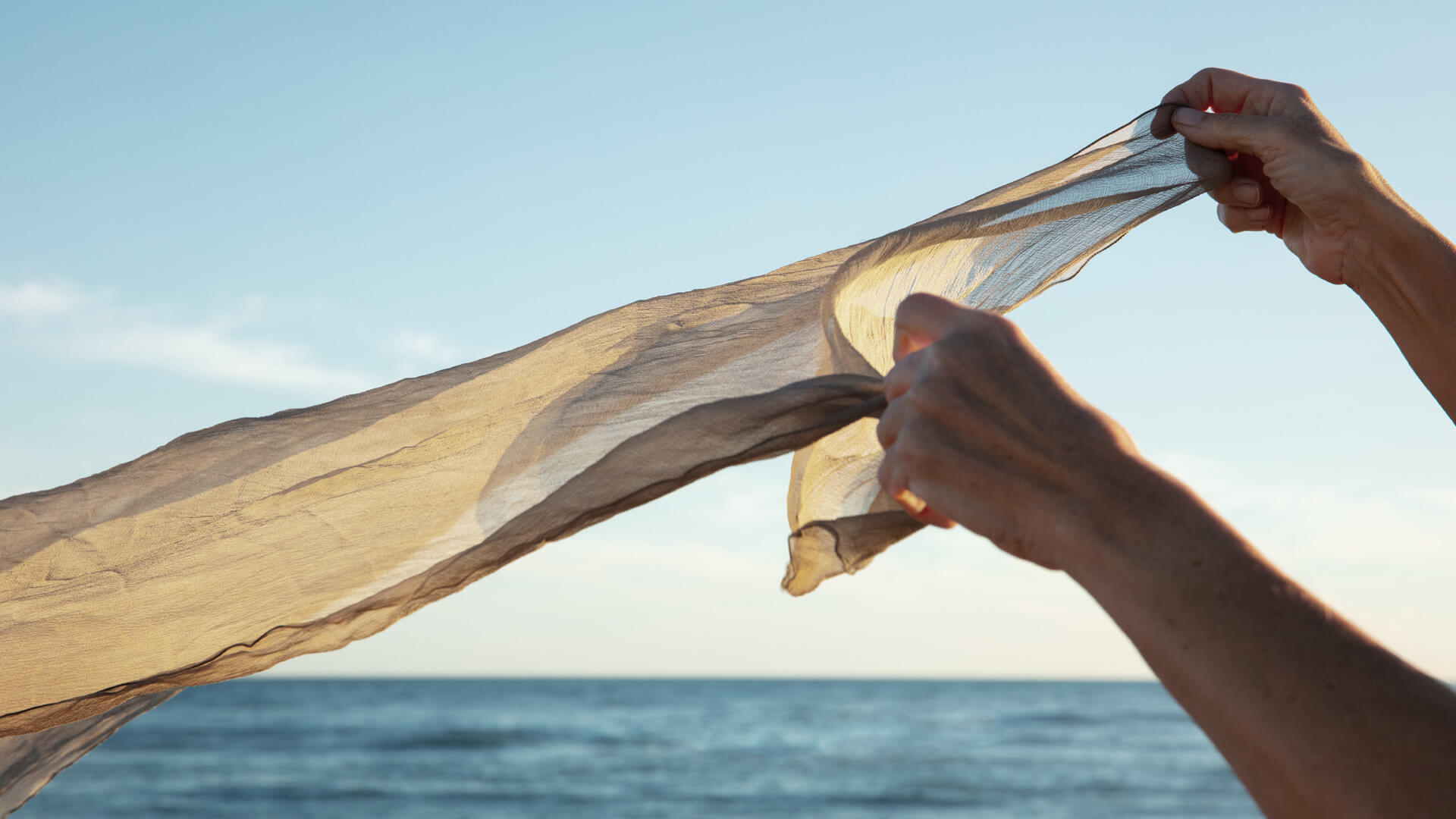
The beachwear and resort wear market continues to evolve, with 2026 trends focusing on simplicity, comfort, and sustainability. Consumers are increasingly drawn to natural fabrics, relaxed silhouettes, and timeless designs that can be worn across different settings.
Linen, muslin, and lightweight cotton fabrics are leading this shift, offering breathability and a natural aesthetic. Oversized cuts, neutral tones, and earthy color palettes are becoming key elements in modern collections.
Versatility is also a major trend. Today’s customers prefer pieces that can transition from the beach to everyday life, making multifunctional garments more valuable than ever.
At Elefante Textile, we closely follow these trends and develop collections that reflect modern lifestyle needs. Our designs combine comfort, simplicity, and elegance, helping brands stay relevant in a competitive global market.
ELEFANTE BLOG DETAILS
Low MOQ Production: Why It Matters for Emerging Brands
/ Elefante — Insight: Low MOQ
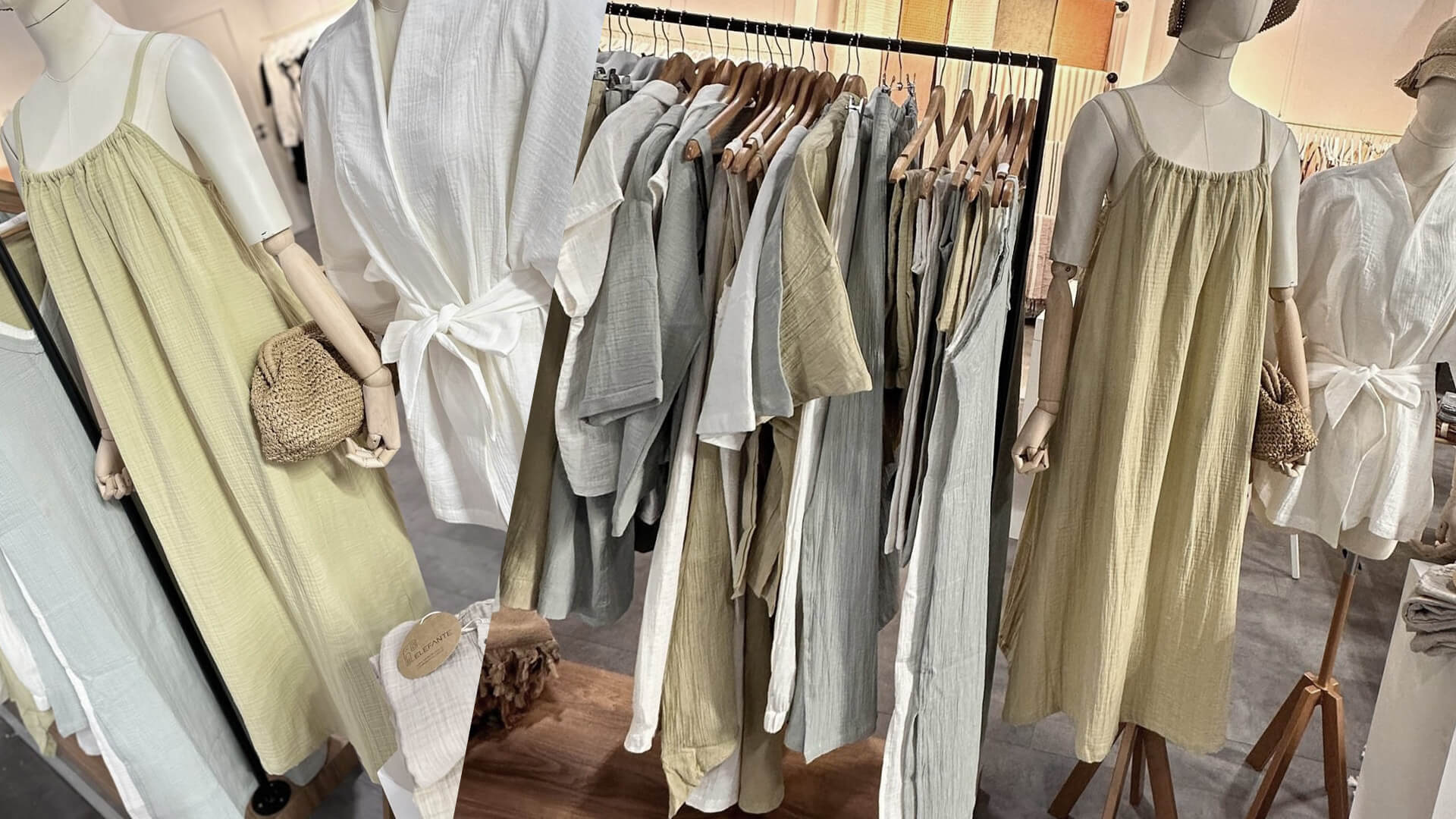
For emerging fashion brands, flexibility in production is one of the most critical factors for success. Low MOQ (Minimum Order Quantity) production allows brands to test new ideas, reduce risk, and manage their inventory more efficiently.
Instead of committing to large quantities, brands can start with smaller batches, analyze market response, and scale production accordingly. This approach not only reduces financial risk but also encourages creativity and innovation.
Low MOQ production is particularly valuable for niche and sustainable brands that focus on quality over quantity. It enables them to create unique collections without overproduction.
At Elefante Textile, we understand the needs of growing brands and offer flexible production solutions. Our boutique manufacturing structure allows us to support both small and large projects while maintaining high quality standards.
ELEFANTE BLOG DETAILS
Sustainable Fabrics: Linen, Muslin & Cotton Explained
/ Elefante — Insight: Sustainable Fabrics
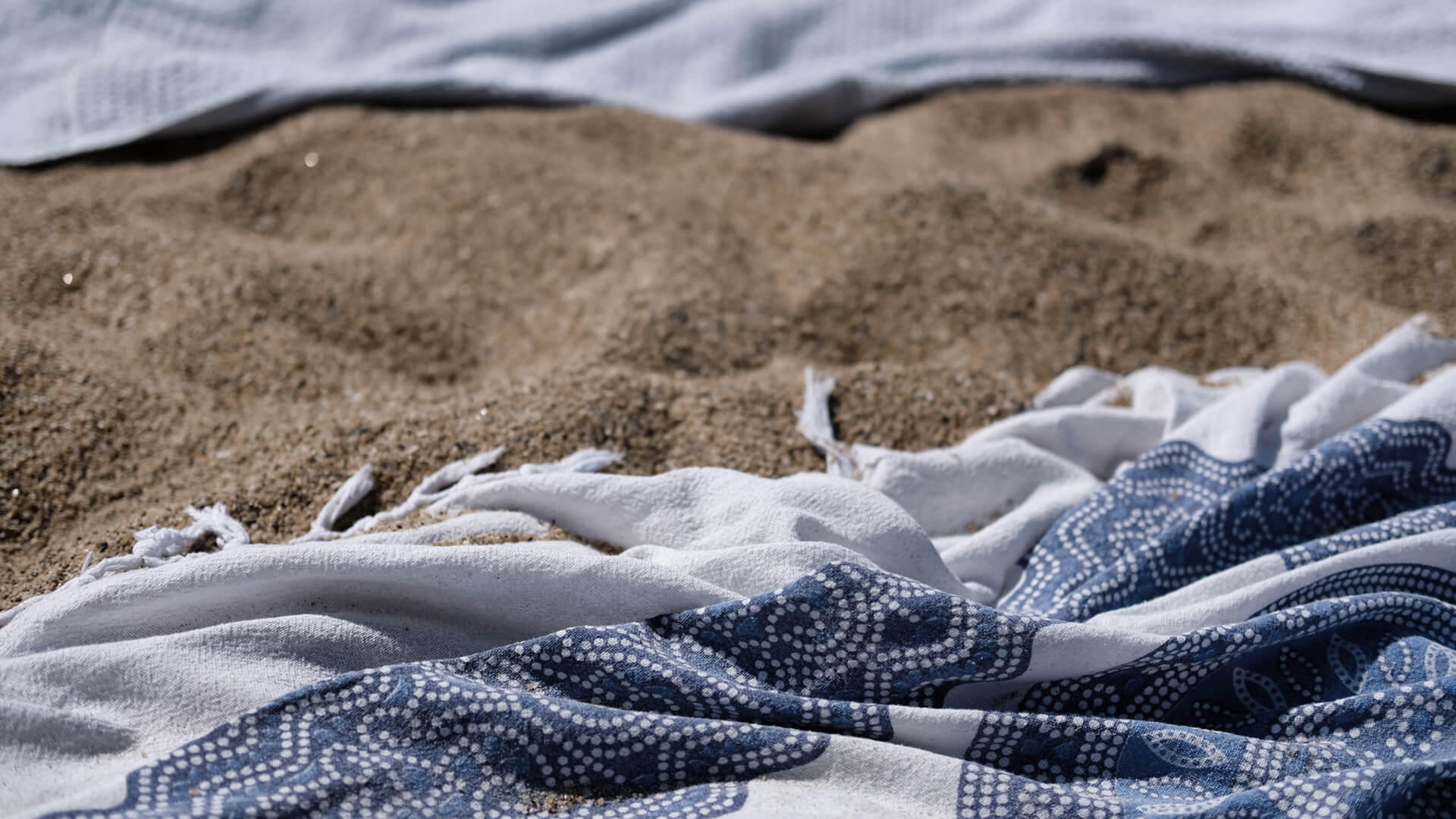
Sustainability has become a key factor in the textile and fashion industry. Natural fabrics such as linen, muslin, and cotton are increasingly preferred due to their eco-friendly properties and long-lasting quality.
Linen is known for its durability and low environmental impact. It requires less water and chemicals during production, making it one of the most sustainable fabrics available. Muslin, on the other hand, is lightweight, breathable, and soft, making it ideal for comfortable garments. Cotton, especially Turkish cotton, offers a perfect balance of softness, strength, and versatility.
Choosing the right fabric depends on the intended use of the product. While linen is ideal for structured and breathable designs, muslin and cotton are perfect for relaxed and everyday wear.
At Elefante Textile, we prioritize natural materials and sustainable production methods, helping brands create collections that are both responsible and high-quality.
ELEFANTE BLOG DETAILS
From Fabric to Final Product: Our Production Process
/ Elefante — Insight: Production Process

Creating high-quality textile products requires a well-organized and transparent production process. From fabric selection to the final product, each step plays a crucial role in ensuring consistency and quality.
The process begins with sourcing high-quality raw materials such as Turkish cotton, linen, and muslin fabrics. After fabric selection, the design and sampling phase allows us to develop prototypes and make necessary adjustments.
Once approved, production moves to cutting, sewing, and finishing stages. Each step is carefully monitored to maintain quality standards. Final quality control ensures that every product meets both our standards and our clients’ expectations.
At Elefante Textile, we believe in a transparent production approach. We keep our clients informed at every stage, ensuring trust, clarity, and long-term partnerships.
ELEFANTE BLOG DETAILS
The Story of Elefante
/ Elefante — Insight: Elefante is a Denizli-based manufacturer of peshtemal, muslin, and linen products. Using premium Turkish cotton, we produce high-quality, boutique and specialty textiles and supply them to global markets.
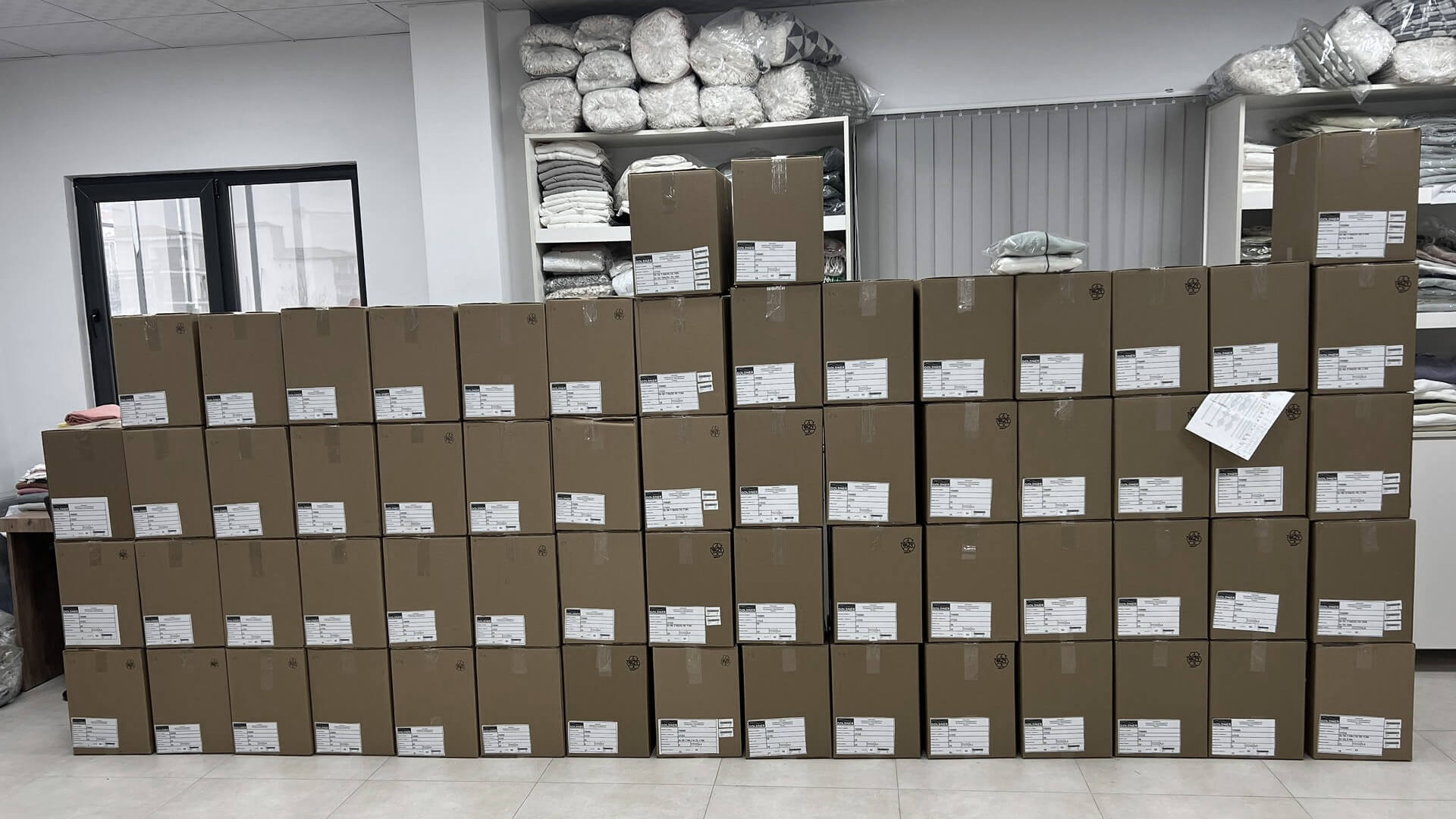
The story of Elefante begins in 1999, in Denizli — the heart of Turkey’s textile industry. Born within a centuries-old weaving tradition, this journey has evolved from a local production heritage into a globally oriented textile brand. Elefante combines Denizli’s strong manufacturing expertise with a modern design approach, creating natural, timeless, and refined products for the global market.
At the core of this journey lies Turkish cotton, recognized as one of the finest fibers in the world. Known for its softness, high absorbency, and breathability, this premium material defines the quality and comfort of Elefante collections. Each product reflects the excellence of textile production made in Turkey.
Elefante specializes in peshtemal, muslin, linen, and cotton fabrics. These lightweight, natural, and skin-friendly materials are transformed into modern, minimal, and timeless designs. From beachwear to casual wear and home textiles, Elefante products combine functionality with aesthetics, meeting the expectations of both local and international markets.
All production processes are carried out in integrated facilities located in Denizli, Turkey. From yarn to weaving, from design to final product, every stage is carefully managed and controlled. This structure positions Elefante not only as a brand but also as a reliable textile manufacturer in Turkey and a trusted wholesale peshtemal supplier.
For Elefante, luxury is not about excess — it is about the quality you can feel. With a commitment to sustainable production, the brand creates long-lasting products that reflect a natural, responsible, and timeless lifestyle.
Today, Elefante is a strong, Denizli-based textile manufacturer exporting to many countries, especially across Europe. With its peshtemal and muslin products made from Turkish cotton, the brand serves global partners by combining local production strength with an international vision.
The story of Elefante is a journey from Denizli to the world — a story of natural materials, refined quality, and trusted textile manufacturing.
© Copyright 2023 ELEFANTE PESHTEMAL BOUTIQUE. All Rights Reserved.
BUILT BY
